Scroll, Swipe, Solve: How Ordinary TikTok Users Are Cracking Cold Cases and Rewriting Local History
When the Algorithm Accidentally Became a Detective
Nobody designed TikTok to solve cold cases. The platform's engineers were thinking about watch time, shares, and ad revenue — not justice for a Jane Doe from 1987 or the forgotten story of a demolished neighborhood in rural Ohio. But somewhere between dance trends and cooking hacks, something unexpected started happening. Everyday users began digging into old newspaper clippings, cemetery records, and faded photographs, then packaging their findings into short, compelling videos that spread like wildfire.
The result is a loose, decentralized community of what some are calling "digital archaeologists" — people with no formal training in forensics or history who are nevertheless making real, documented impact. Cold cases are getting fresh leads. Unidentified remains are getting names. And small-town stories that never made it into any textbook are suddenly reaching millions of viewers.
It's messy, occasionally controversial, and genuinely fascinating.
The Anatomy of a Viral Investigation
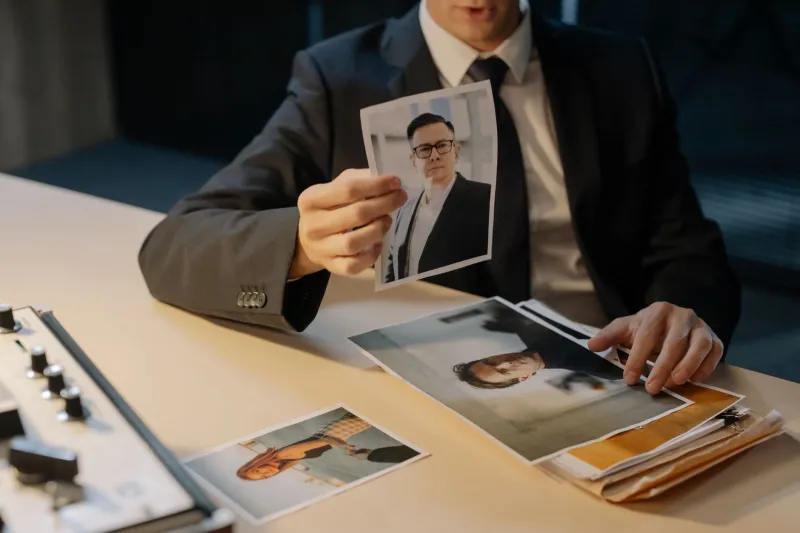
So how does it actually work? It usually starts with one person stumbling onto something strange — a name on a headstone with no matching records, a decades-old newspaper story about a disappearance that was never resolved, or a family photo passed down through generations with a face nobody can identify.
That person posts a video. Maybe it gets 200 views. Maybe it gets 2 million. If the algorithm picks it up and pushes it to the right audience, the comments section transforms into a crowdsourced research hub almost overnight. Someone recognizes a street sign in the background of an old photo. Someone else's grandmother remembers the family in question. A retired librarian chimes in with a digitized archive link. A genealogy enthusiast cross-references census data.
Creators like Kayla Dwyer, a 29-year-old from Tennessee who runs a TikTok account dedicated to cold cases and historical oddities, describe the comment section as the most powerful research tool they've ever encountered. "I'll post something I've been researching for weeks and hit a wall," she explained in a recent interview. "Within 48 hours, my comments have cracked it open in ways I never could have on my own. People just show up with information."
That collaborative energy is the secret ingredient. TikTok's format rewards curiosity and emotional investment, which means viewers aren't just passive — they're participants.
Real Impacts, Real Stakes
This isn't just a feel-good hobby. Some of these digital deep dives have produced tangible, real-world outcomes.
In several documented cases, TikTok communities have generated enough public pressure and new tips to prompt law enforcement to reopen investigations. The Doe Network and NamUs — official databases for unidentified persons — have both reported receiving tips that originated from viral social media posts. Forensic genealogists, who use DNA and public records to identify remains, have noted an uptick in families reaching out after seeing content about their relatives' cases on TikTok.
Beyond criminal investigations, the historical recovery work is equally compelling. Creators focused on Black American history, Indigenous land records, and immigrant community stories are filling gaps that institutional archives often left empty. Segregation-era businesses, forgotten cemeteries, demolished churches — stories that were never considered worth preserving by those in power are being reconstructed through community memory, one comment at a time.
A creator based in Chicago who goes by the handle @midwestmemorykeeper has spent the last two years documenting the history of neighborhoods that were displaced by urban renewal projects in the 1950s and 60s. "These communities existed. People were born there, raised families there, built something real," she said. "But you won't find much about them in official city records. The people who lived it are in their 80s and 90s now. TikTok is how I find them before it's too late."
The Complications Nobody Talks About
For all its promise, this phenomenon comes with real ethical knots.
Privacy is the big one. When amateur investigators post videos naming living suspects in cold cases, or identifying families connected to tragedies, the potential for harm is significant. There have been documented instances of harassment campaigns targeting people who were publicly identified — sometimes incorrectly — through viral investigative content. The same crowd energy that makes the comment section a research goldmine can curdle into something uglier when emotions run high.
Professional historians and law enforcement officials have also raised concerns about accuracy. Without editorial oversight or peer review, misinformation can spread just as easily as legitimate discoveries. A video with confident narration and dramatic music can make a shaky theory feel like established fact. And once something goes viral, corrections rarely get the same reach.
Many of the more thoughtful creators in this space are acutely aware of these risks. Dwyer, for instance, has a strict personal policy against naming living individuals in connection with unsolved crimes and always links to official tip lines rather than encouraging viewers to contact suspects directly. "I'm not trying to be a vigilante," she said. "I'm trying to get information to the people who can actually do something with it."
That kind of self-regulation is encouraging, but it's also entirely voluntary. The platform itself has no consistent framework for this type of content.
Why This Moment, Why TikTok?
It's worth asking why this is happening now, and why on this particular platform rather than, say, a Reddit thread or a Facebook group.
Part of the answer is generational. Younger Americans — the core TikTok demographic — have grown up with a deep skepticism toward official institutions. They're comfortable with the idea that important truths might be buried in places authorities overlooked, and they're not waiting for permission to go looking. True crime podcasts primed this audience for years, building an appetite for investigative storytelling that TikTok's format now lets anyone participate in.
The other part is purely algorithmic. TikTok surfaces niche content to exactly the right audience with an efficiency that older platforms can't match. A video about a 1972 missing persons case in rural Louisiana finds the people who grew up there, who remember the story, who might have a piece of the puzzle. That kind of precision targeting is genuinely new.
Something Worth Paying Attention To
Whether you find this trend inspiring or a little unsettling — maybe both — it's hard to argue that it isn't significant. The barriers between official knowledge and public knowledge are shifting. History is being written and rewritten in comment sections, often by people who were never supposed to have a seat at the table.
Some of those rewrites are going to be messy. Some will be wrong. But some will give names back to people who had none, and voices to communities that were told their stories didn't matter.
That's not nothing. That might actually be something worth watching.