Bidding on Memories: How Millennials Turned Their Toy Boxes Into Investment Portfolios
Somewhere in a climate-controlled storage unit in suburban Ohio, a 34-year-old project manager named Derek keeps a shelf lined with unopened Happy Meal toys, a complete set of original Mighty Morphin Power Rangers action figures, and three factory-sealed copies of Super Mario 64. He hasn't played with any of it. That's kind of the point.
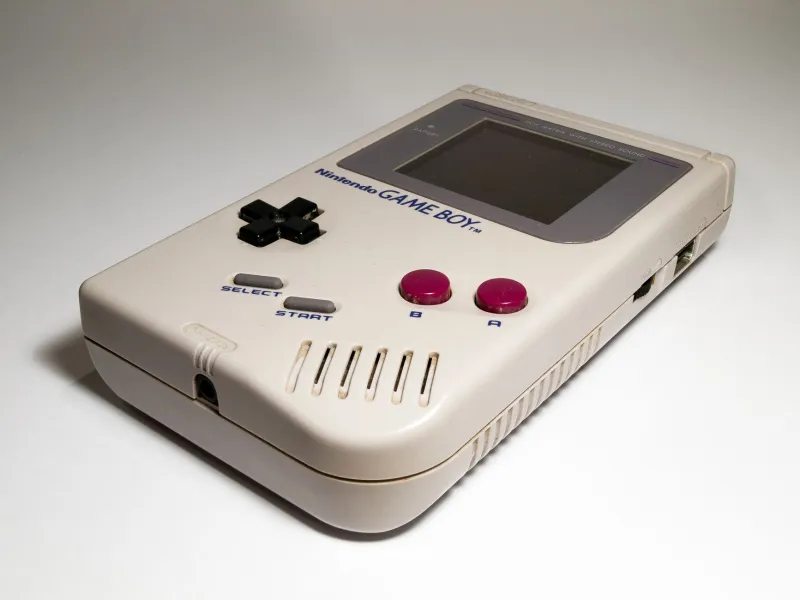
"I remember my mom throwing away my original Game Boy when I went to college," he says, laughing in the way people do when something still stings a little. "I've been making up for it ever since."
Derek isn't alone. Across the country, millennials — that much-discussed generation born roughly between 1981 and 1996 — are pouring real, grown-up money into the toys, video games, trading cards, and pop culture artifacts of their childhoods. The resale market for 90s and early 2000s memorabilia has exploded over the past five years, turning dusty relics of Saturday mornings into surprisingly serious financial assets.
The Numbers Don't Lie
The scale of this thing is genuinely hard to wrap your head around. Heritage Auctions, one of the biggest collectibles houses in the US, reported that a sealed copy of The Legend of Zelda sold for $870,000 in 2021. Graded Pokémon cards regularly crack six figures at auction. Even more modest items — a complete set of Mighty Max playsets, a boxed Furby in working condition, original Goosebumps first editions — command prices that would seem absurd to anyone who bought them off a Walmart shelf back in 1997.
eBay has become something of a real-time price index for nostalgia. Search for "sealed N64 game" or "original Tamagotchi" and you'll find listings that range from optimistic to genuinely jaw-dropping. Platforms like Whatnot, a livestream shopping app that's gone viral among collectors, have added a social dimension to the hunt — buyers tune in like it's a sporting event, watching hosts unbox vintage lots and bid in real time.
Specialized dealers have also stepped in to meet the demand. Shops like Video Games New York and online storefronts dedicated entirely to retro gaming have built loyal customer bases around the idea that childhood favorites are worth preserving — and paying for.
It's Not Just About the Money
Ask most collectors whether they're in it for the investment, and you'll get a complicated answer. Sure, people are aware that a graded, mint-condition copy of EarthBound might be worth more next year than this year. But dig a little deeper and something else comes up every time: comfort.
Dr. Kristen Howes, a consumer psychologist who studies nostalgia and purchasing behavior, explains it this way: "Nostalgia functions as an emotional anchor. When people feel uncertain about the future — economically, socially, personally — they're drawn to objects that represent a time when things felt simpler and safer. For millennials, who came of age during 9/11, the 2008 recession, and now a pandemic, that pull is especially strong."
There's also a reclamation element at play. Many millennials grew up in households where toys were used, broken, lost, or tossed. Buying back the things they once loved — this time in pristine condition, properly stored, maybe even professionally graded — feels like a second chance. A do-over with better resources and a credit card.
"I know it sounds weird," admits Priya, a 31-year-old teacher in Atlanta who collects original Sailor Moon merchandise and Lisa Frank stationery, "but there's something genuinely healing about it. Like I'm taking care of the kid I used to be."
The Grading Game
One of the biggest factors turbocharging the nostalgia market is professional grading. Companies like Wata Games (for video games) and PSA (for trading cards) assign numerical condition scores to collectibles and seal them in protective cases. A game that might sell for $80 in loose condition could fetch $800 — or $8,000 — depending on its grade.
This has transformed collecting from a casual hobby into something that resembles commodity trading. Collectors obsess over box corners, cartridge labels, and seal integrity the way stock analysts pore over earnings reports. Online communities on Reddit and Discord debate grading standards, track recent sales, and share tips on where to find undervalued items before the market catches on.
It's not without controversy. The grading industry has faced criticism for long wait times, inconsistent scoring, and the way it can artificially inflate prices. Some longtime collectors worry the investment mentality is squeezing out people who just love the stuff for its own sake. "When a copy of Chrono Trigger costs more than a car payment, something's shifted," one Reddit user noted in a widely upvoted thread.
What's Hot Right Now
If you're curious about where the action is, a few categories are particularly scorching at the moment:
- Pokémon cards: The 2020–2021 Pokémon card frenzy never fully cooled. First-edition base set cards, especially PSA 10 holofoils, remain blue-chip collectibles.
- Original Nintendo and Super Nintendo games: Complete-in-box condition is everything. A CIB copy of Earthbound can run $1,500 or more.
- 90s action figures: Sealed, vintage Power Rangers, Ninja Turtles, and G.I. Joe figures are fetching multiples of their original retail prices.
- Y2K fashion and accessories: Lisa Frank, Bratz dolls, and original iPods have found an unexpected second wind, driven partly by Gen Z discovering them as "vintage."
- Beanie Babies (selectively): Most are still worth next to nothing, but rare variants with tag errors or limited runs can surprise you.
The Thin Line Between Hobby and Hustle
For some collectors, the nostalgia market has become a legitimate side income. Thrift store flippers and estate sale regulars have gotten savvy about spotting undervalued retro items. A $3 yard sale find can become a $300 eBay listing with the right research and a little patience.
But for most people in this world, the money is secondary to the feeling. Derek, back in his Ohio storage unit, puts it simply: "I'm not planning to sell any of this. Maybe someday it'll be worth something for my kids. But mostly I just like knowing it's there. It's like having a piece of who I was, just... preserved."
In a culture that moves fast and forgets faster, maybe that's the real value of all this plastic and cardboard — not the price tag, but the proof that something mattered. That you were there. That it was real.
And if it happens to appreciate in value? Well, that's just a bonus.